

A tea shaped by two worlds
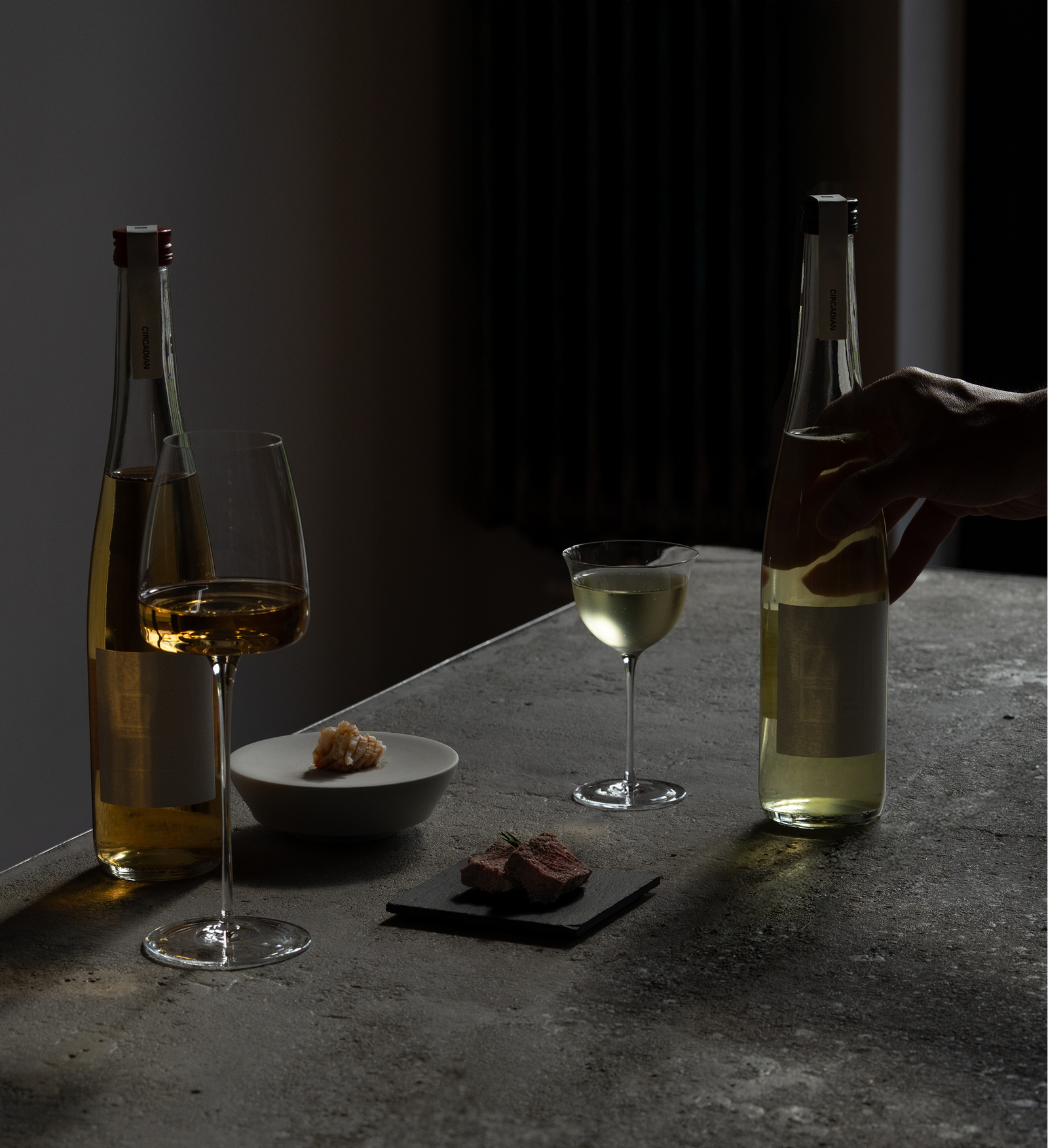
Gyokuro united two worlds. One belonged to culture, elevating the faculty of the mind. The other belonged to fieldcraft, instrumentalising light and biomechanics in pursuit of remarkable flavour for the enlightened. Circadian continues this double inheritance — each expression balancing the sensual with the cerebral.

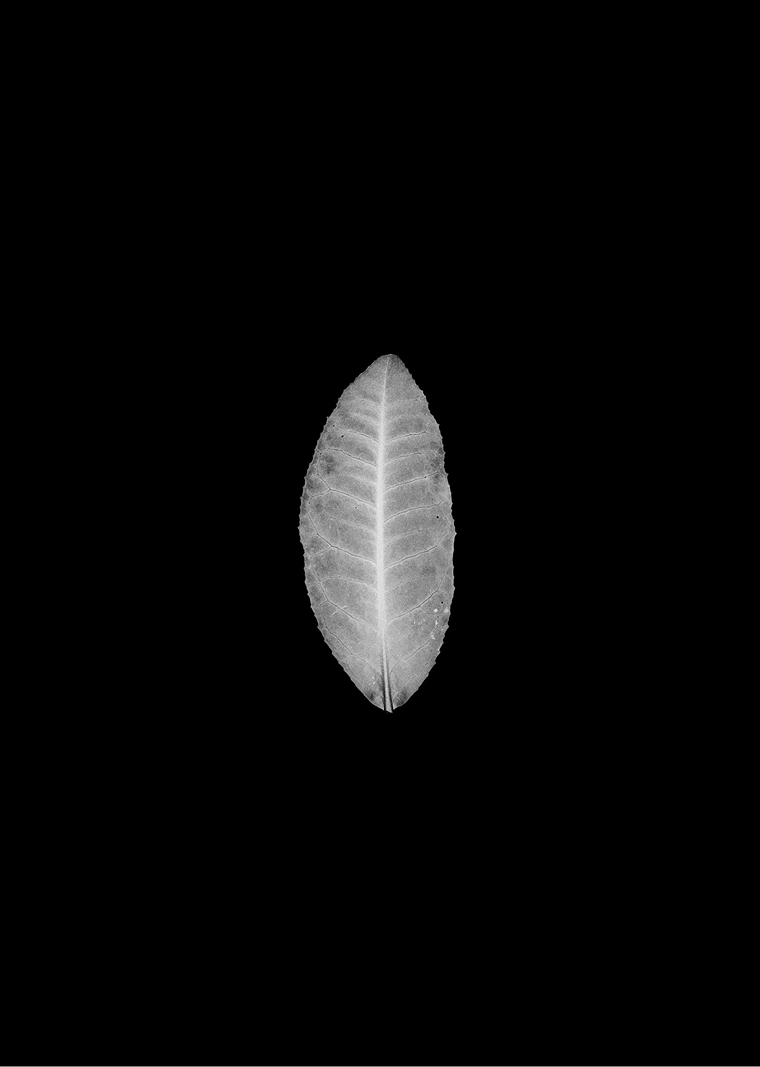
Sovereign expression of Japan’s botanical uniqueness
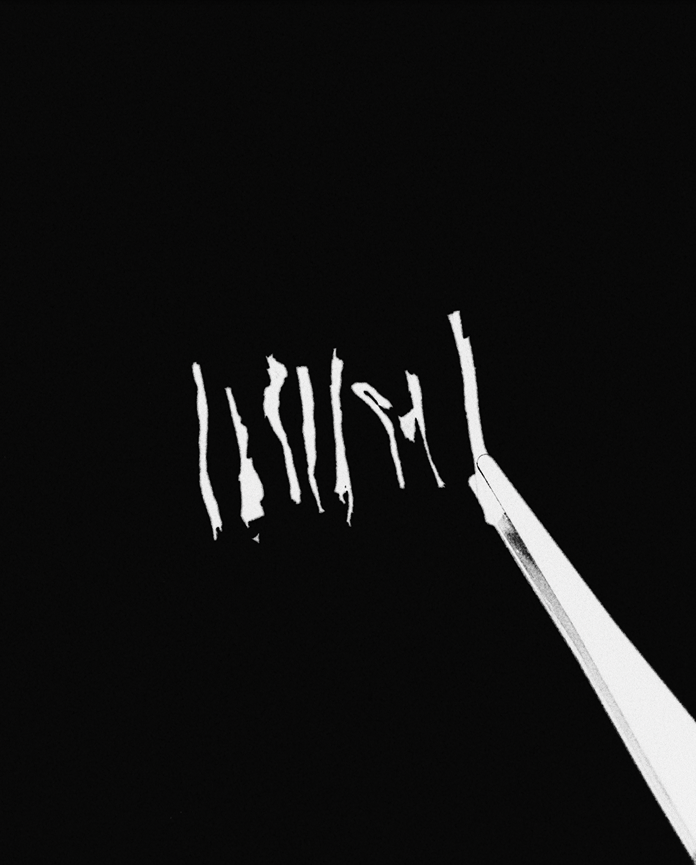
Historical records point to Uji, close to imperial Kyoto, where courtly patronage and technical exchange propelled tea innovation. While shaded cultivation had already been known to influence flavour — it was only by 1868, the long needle form had emerged, marking the beginning of Gyokuro as we know it.
Albert Einstein hosted during his visit to Japan, 1922. Photographer unknown.

An aperitif of the culture
In the late Edo period, salon culture was flourishing and Gyokuro’s blend of art and science landed on fertile ground. Before theatre performances or poetry readings, guests drank Gyokuro. Over time, its audience grew beyond the literati and it found a home within kaiseki meals, preparing the palate for what followed.


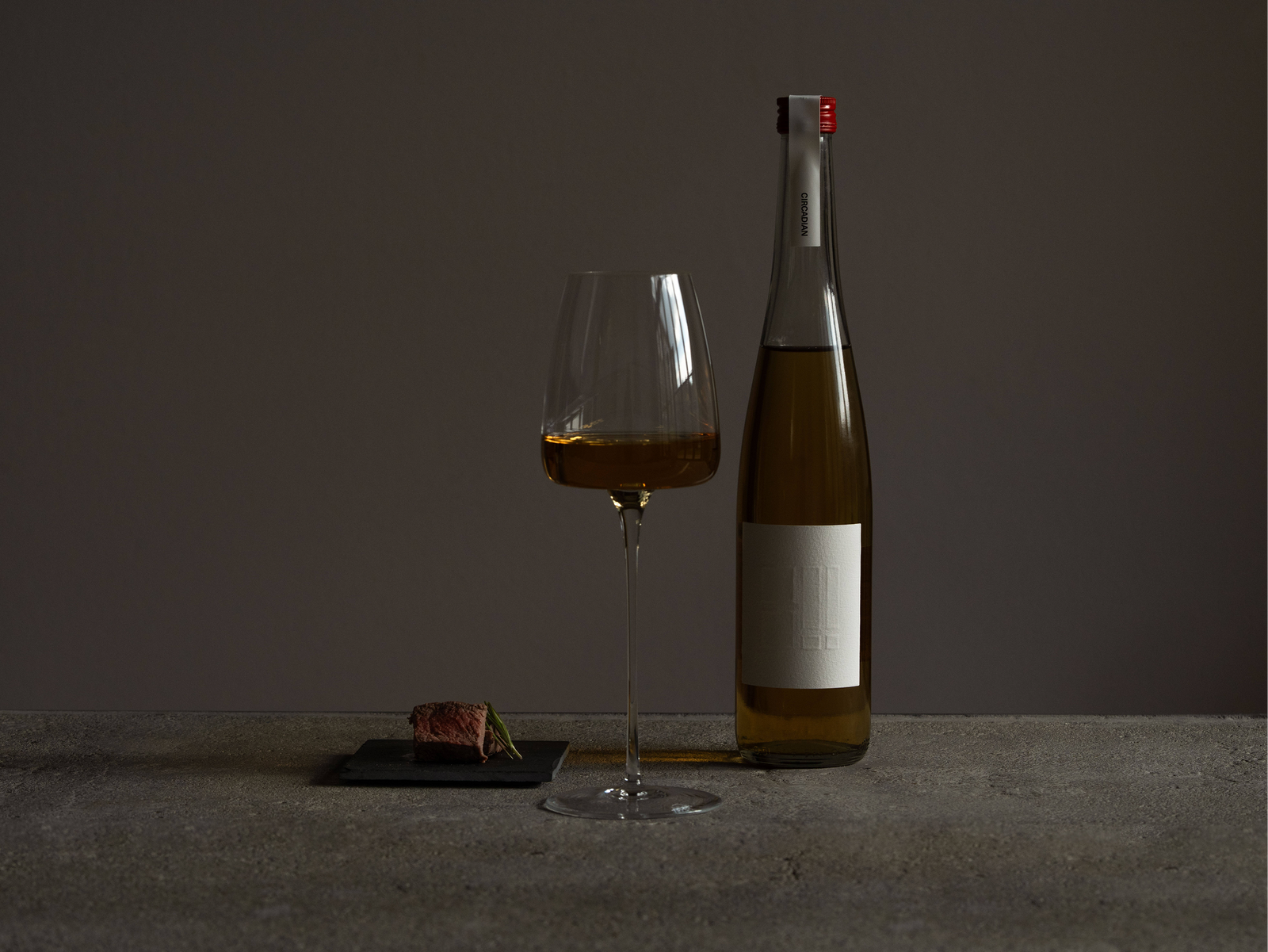
We invite you to discover Circadian expressions that illuminate meaning and taste